
Libraries and the Fight Against the Digital Divide
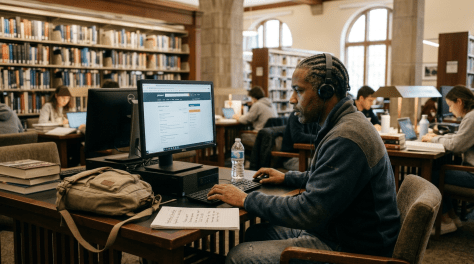
Access to information is essential for fairness in society. However, many people still do not have dependable internet service or the skills needed to use digital tools effectively. Libraries help close this gap by offering free Wi‑Fi, public computers, and technology training for community members.
For many individuals, the public library is the only place where they can complete job applications, attend virtual medical appointments, access school materials, or fill out government forms. In communities with limited resources, these services can make a real difference. Librarians provide digital skills classes and one‑on‑one support, helping people feel more confident using technology in their everyday lives.
Closing the digital divide is about more than getting online. It is about creating real opportunities. When libraries provide access to technology and information, they support employment, education, and civic participation.
As technology becomes more central to daily life, libraries continue to serve as trusted spaces that remove barriers and ensure everyone has a fair chance to succeed.
Related Links:
- https://www.ala.org/tools/topics
- https://www.ala.org/advocacy/federal-resources/broadband-policy/digital-equity-resources
Intellectual Freedom and the Challenge of Censorship

Intellectual freedom is a core value in librarianship. Libraries work to make information available to everyone, including materials that may be debated or questioned by some members of the community.
In recent years, more books have been challenged or removed in parts of the United States. These situations raise serious concerns about censorship and the public’s access to information. Librarians are often at the center of these discussions. They must follow professional standards while protecting each person’s right to read and explore different ideas.
The American Library Association’s Office for Intellectual Freedom provides support and guidance to libraries facing these issues. Clear collection policies and open procedures help ensure that library materials represent a wide range of voices and experiences.
Libraries play an important role in a democratic society. When they defend intellectual freedom, they protect open discussion, critical thinking, and informed participation. Supporting access to information reflects a commitment to fairness, inclusion, and the principles of democracy.
Related Links:
Inclusive Library Services for Diverse Communities

Libraries today understand that their services must reflect the communities they serve. Creating meaningful change in librarianship means making sure every person, regardless of background, identity, or ability, feels welcome and supported.
Inclusive services can take many forms. Libraries may offer materials in multiple languages, provide assistive technology for people with disabilities, design programs that respect different cultures, and reach out to groups that may not regularly use library services. These efforts show a clear commitment to fairness and representation.
Libraries also build partnerships within their communities. By working with schools, nonprofit organizations, and local advocacy groups, they gain a better understanding of community needs and can extend their support beyond the library building.
Providing equitable services requires careful planning, ongoing evaluation, and strong professional values. When libraries focus on inclusion, they help build stronger, more connected communities.
By designing services with intention and awareness, libraries move beyond traditional expectations and take an active role in shaping positive social change.
Related Links:
 Beyond the Stacks: Libraries as Agents of Social Change